Are the Amish Christian? Yes — the Amish are Christians, specifically part of the Anabaptist branch of the faith. If you’ve driven through Holmes County in Ohio’s Amish Country and wondered about the horse-drawn buggies and plain-dressed families, the short answer is that their distinctive lifestyle grows directly out of deeply held Amish beliefs. Here’s what they believe and how it shapes daily life. So when people ask “are the amish christian,” they’re really asking whether the Amish share the core convictions of the Christian faith — and they do.
Are the Amish Christian? Yes — They Are Anabaptist Christians
The Amish trace their roots to the Anabaptist movement of 16th-century Europe — the same reform tradition that produced the Mennonites. “Anabaptist” means “re-baptizer”: they hold that baptism is only meaningful when chosen by an adult believer, so Amish youth are baptized into the church in their late teens or twenties, not as infants.
Their theology is otherwise recognizably Christian: belief in God the Father, Jesus Christ as Savior, the authority of the Bible, and salvation through faith. Where they differ from most other Christians is not in what they believe but in how they live it out.
What Amish Christians Believe
To understand why the answer to “are the amish christian” is yes, here are the core convictions every Amish district shares:
- The Bible is the final authority — read in German and applied literally to daily decisions.
- Adult baptism — church membership is a conscious adult choice, typically between ages 18 and 22.
- Nonresistance — following Jesus’s teaching to “turn the other cheek,” the Amish refuse military service and avoid violence and lawsuits.
- Separation from the world — grounded in verses like Romans 12:2 (“be not conformed to this world”), they deliberately limit engagement with mainstream culture.
- Community over individualism — mutual aid is a religious duty; barn raisings and shared labor are faith in action.
Worship: Church in the Home
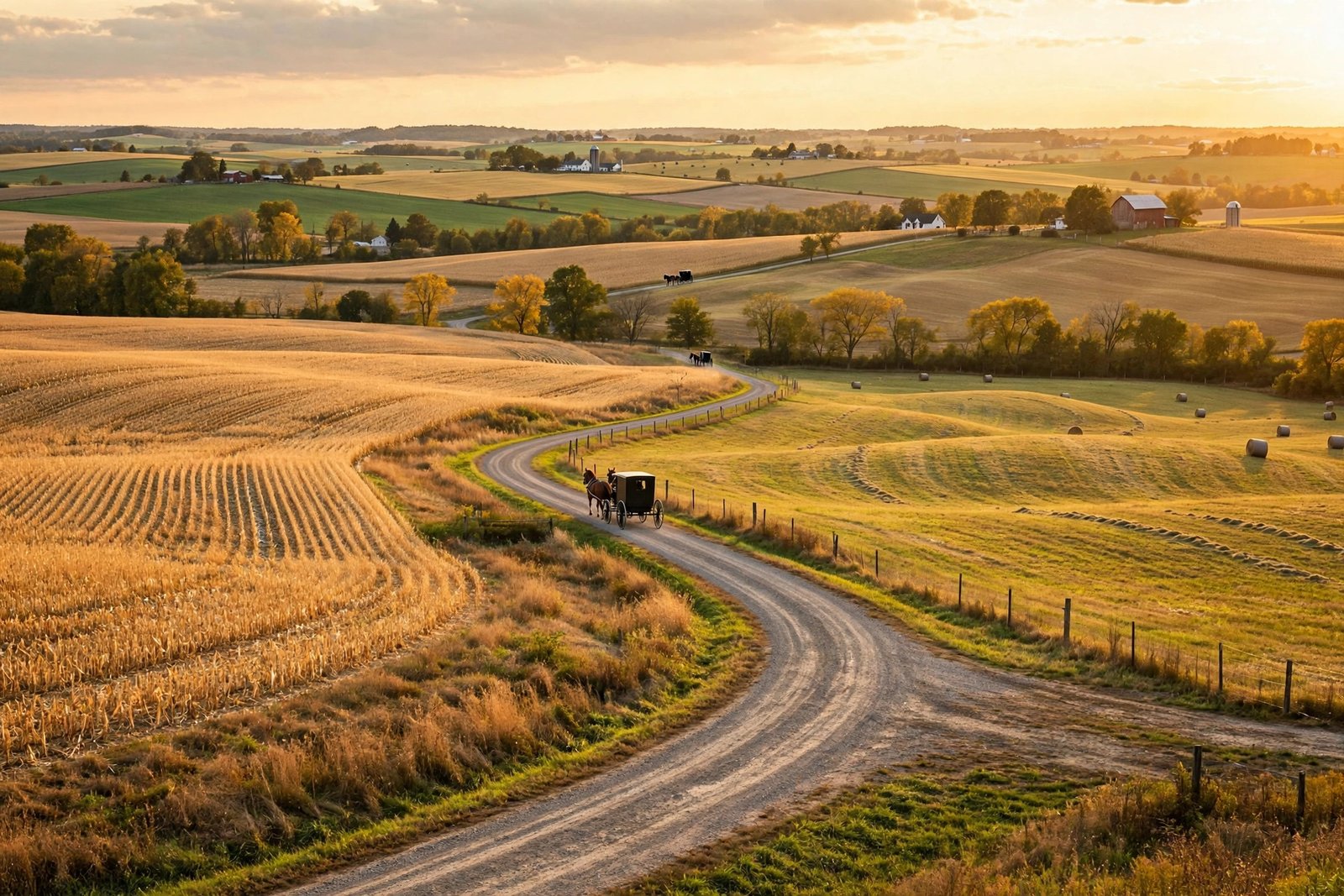
Most Old Order Amish congregations have no church building. Instead, families take turns hosting Sunday services in their homes, barns, or workshops — the congregation rotates through the district’s households over the course of the year. Services run about three hours, conducted largely in Pennsylvania Dutch with hymns sung slowly from the Ausbund, a hymnal dating to the 1500s.
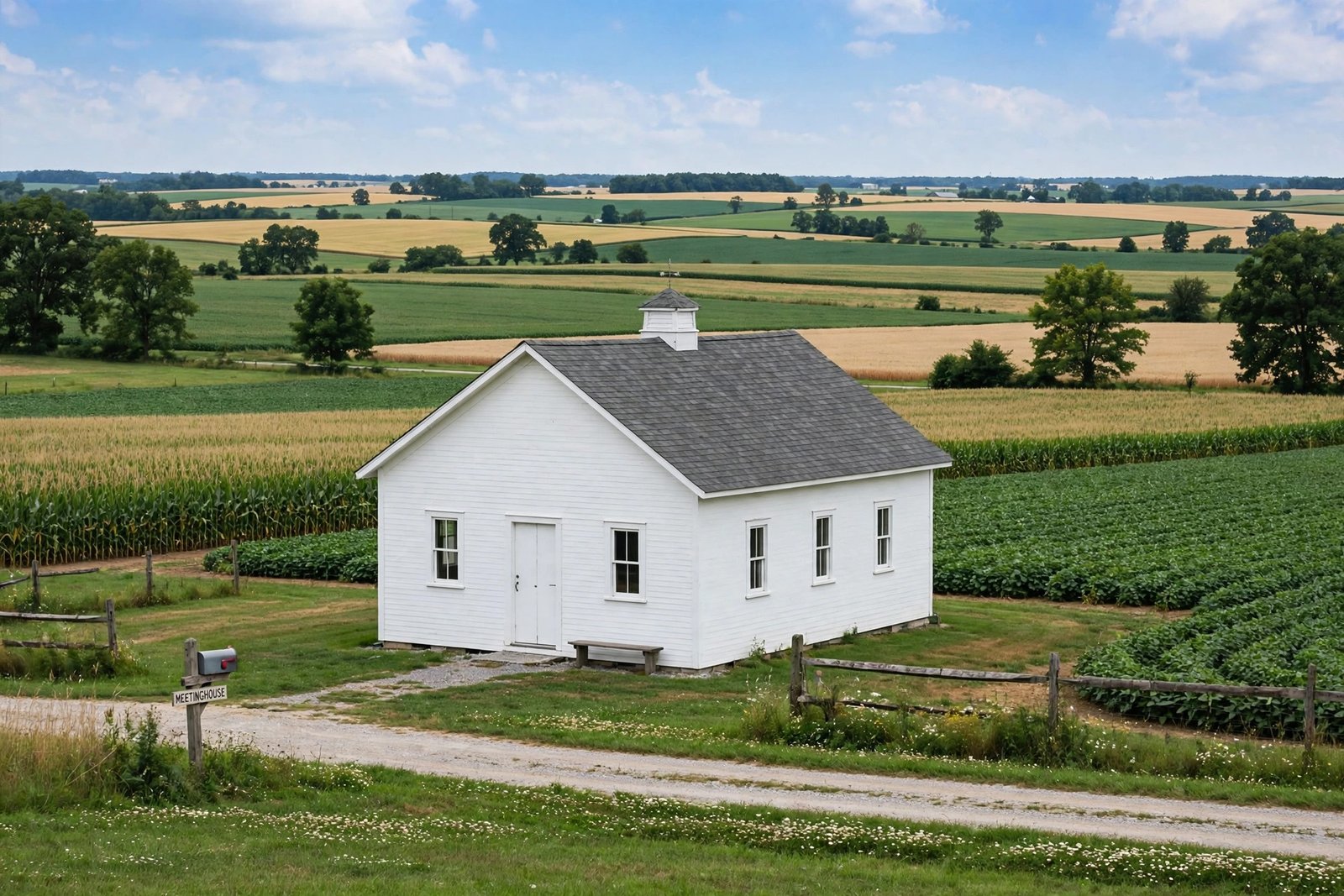
There are no organs, no pulpits, no paid pastors. Ministers are chosen by lot from among the district’s men and serve without salary, continuing to farm or work their trade alongside their duties. (A few Amish affiliations do use plain meetinghouses — but the home service remains the Old Order norm.) The format may look unfamiliar to outsiders, which is why some visitors ask “are the amish christian” — but the service is deeply, recognizably Christian.
The Ordnung: Rules for Plain Living
Each Amish district follows an Ordnung — an unwritten set of rules, agreed by the community, that governs daily life. The Ordnung is where the famous “plain” practices come from:
- Plain dress — solid colors, no patterns; head coverings for women, beards (but no mustaches) for married men. Dress expresses humility, not fashion.
- Limited technology — rules vary by district, but the principle is constant: technology is judged by whether it strengthens or weakens family and community.
- Simple homes — functional furnishings, no ostentatious decoration; the home serves the family, not the other way around.
Ohio: The Heart of Amish Country
Ohio is home to the largest Amish population of any state — more than 80,000 people, centered on Holmes County and the surrounding counties of Wayne, Tuscarawas, and Coshocton. The villages of Berlin and Millersburg anchor a tourism region where visitors can enjoy Amish-style cooking, buy quilts and furniture, and learn about the culture firsthand. Many visitors arrive asking “are the amish christian” and leave with a deeper appreciation of the faith behind the lifestyle.
If you visit, remember you’re observing a living faith community, not a theme park: ask before photographing people (many Amish avoid posed photos on religious grounds), drive carefully around buggies, and respect Sunday as a day of rest.
Amish vs. Mennonite: What’s the Difference?
Visitors often confuse the two. Both are Anabaptist Christians with shared roots, but Mennonites generally embrace more modern technology — many drive cars and use electricity — while the Amish maintain stricter separation. Think of them as cousins with the same grandparents and different household rules.
So, are the Amish Christian? Unambiguously yes. Their plain clothes, buggies, and barns aren’t a rejection of Christianity — they’re one community’s earnest attempt to live it as literally as possible.
