Ohio cottage food law 2026 lets you sell cookies, jam, or bread from your home kitchen without a commercial license. In most cases, yes — Ohio has one of the friendliest home-food laws in the country. Under the Ohio cottage food law, you can sell certain homemade foods with no license, no inspection, and no registration fee at all.
Ohio actually offers more than one route for home food sellers. This guide walks through each path — including the brand-new third option the legislature has been building — plus exactly what you can sell, where you can sell it, and how your labels must look. If your home-based food venture earns you income, you may also qualify for the Ohio Earned Income Tax Credit 2026, worth 30% of your federal credit.
Ohio Cottage Food Law 2026: Three Paths to Sell Homemade Food
Under the Ohio cottage food law 2026, home producers have up to three ways to sell food made in a home kitchen, depending on what you’re making:
| Path | License / Fee | Inspection | What you can sell |
|---|---|---|---|
| 1. Cottage food operation | None — $0 | No | Non-potentially-hazardous foods only (cookies, jams, breads, candy, etc.) |
| 2. Home bakery license | $10/year (ODA) | Yes — ODA inspects your kitchen | Cottage foods plus potentially hazardous baked goods like cheesecake and cream pies |
| 3. Microenterprise home kitchen operation (MEHKO) | $25/year registration (proposed) | Yes — annual ODA inspection | Most homemade foods, including many perishable items cottage food can’t cover |
Path 1: Cottage Food Operation — No License Needed
A “cottage food production operation” is the simplest path, defined at Ohio Revised Code § 3715.01(A)(19). If you stick to non-potentially-hazardous foods — foods that don’t need refrigeration to stay safe — you need no license, no inspection, and no registration with the Ohio Department of Agriculture (ODA). You can simply start selling.
What counts as cottage food in Ohio
Per ODA and Ohio State University Extension guidance, cottage foods include:
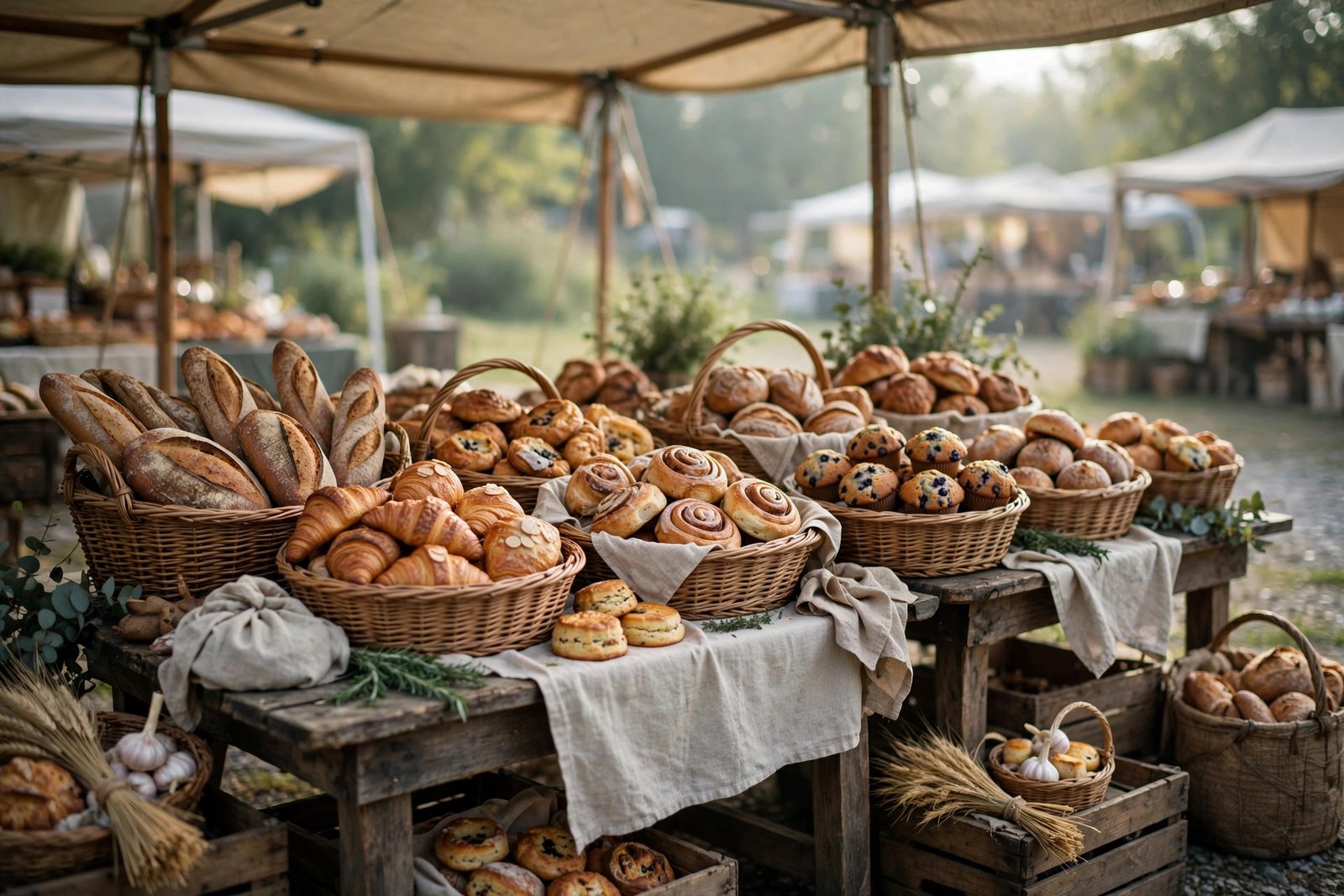
- Non-potentially-hazardous baked goods: cookies, cakes, fruit pies, brownies, breads, unfilled baked donuts, waffle cones, pizzelles
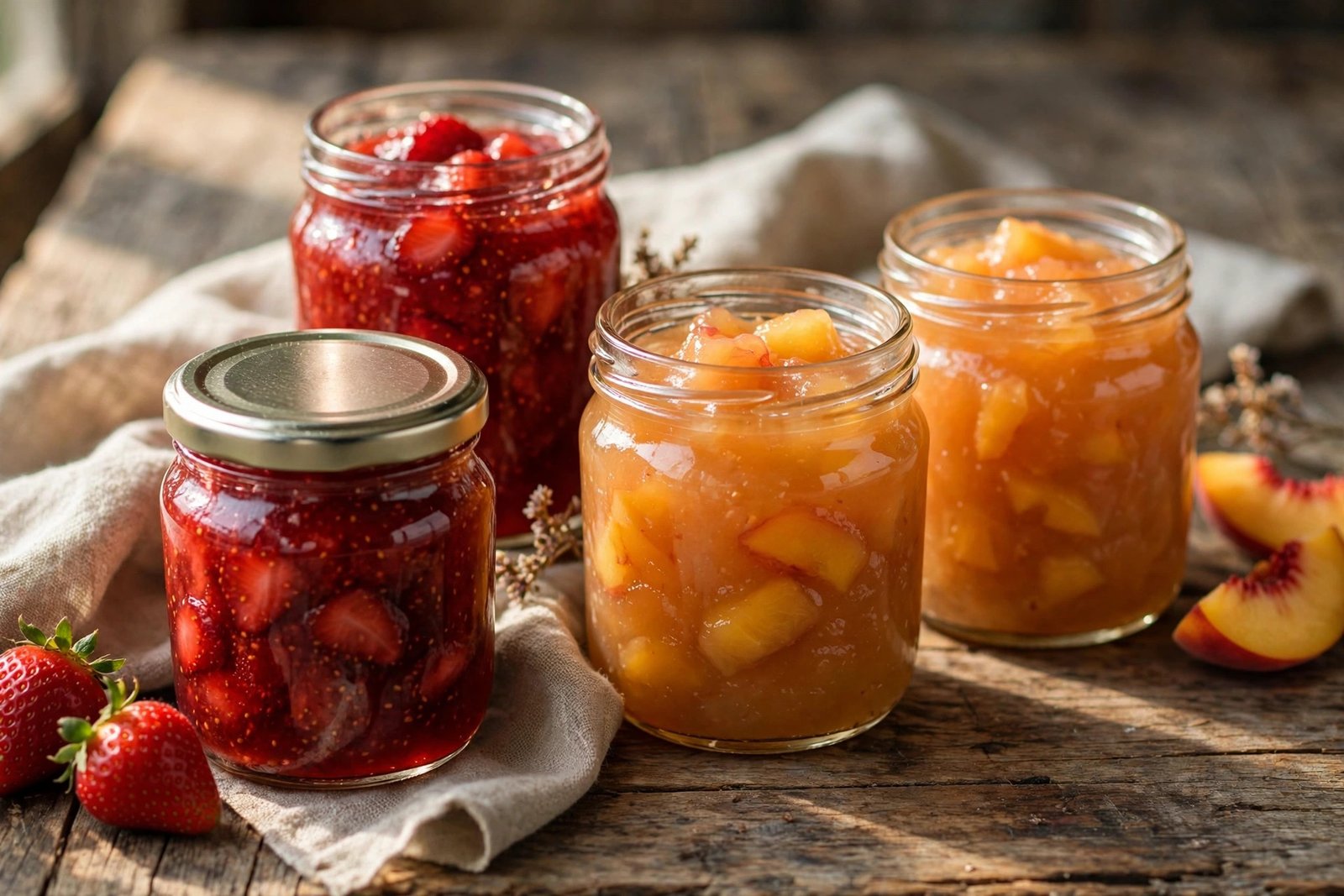
- Jams, jellies, candy, and fruit butter
- Granola, popcorn, dry cereal, nut snack mixes with seasonings
- Roasted coffee, dry tea blends, seasoning blends, dry baking mixes
What you cannot sell this way: anything potentially hazardous that requires refrigeration — cheesecakes, cream pies, custard pies, pumpkin pies, and similar items. Those need the home bakery license below.
Where you can sell cottage food
Properly labeled cottage food products may be sold only in Ohio, and only through these channels:
- Directly to consumers from the home where the products are made
- Grocery stores
- Registered farm markets and registered farmers markets
- Restaurants, which may sell the foods or use them in preparing menu items
Cottage food labeling rules
Every unit must carry a label (per O.R.C. § 3715.023) with:
- Statement of identity — the common name of the food
- Net quantity — net weight in U.S. and metric units
- Ingredient list — common names, in descending order by weight
- Statement of responsibility — your business name and address
- The statement “This Product is Home Produced” in ten-point type
If you make a nutrient-content claim (“low fat”) or health claim, you must also include a full Nutrition Facts panel.
One thing to know: even though cottage food operations aren’t inspected, ODA can and does sample your products to check for misbranding or adulteration (O.R.C. § 3715.022). Keep your kitchen and labels clean.
Path 2: Home Bakery License — $10 a Year
Want to sell cheesecake, cream pies, custard pies, or pumpkin pies? Those are “potentially hazardous” baked goods, and Ohio requires a home bakery license from the ODA Division of Food Safety (O.R.C. Chapter 911).
Here’s the process:
- Apply: Contact the ODA Division of Food Safety at (614) 728-6250 and submit a request-for-inspection form with your contact info, the bakery location, and a description of your products.
- Pass inspection: An ODA inspector visits your home kitchen. Requirements include cleanable walls/ceilings/floors (no carpet), no pets or pests, sanitary equipment, a mechanical refrigerator at 45°F or below with a thermometer, a negative well-water coliform test if you have a private well, and compliant labels.
- Pay $10: The annual license fee is just $10, renewable by September 30 each year.
A licensed home bakery may also produce and sell any cottage food — so the $10 license covers both categories. Note the kitchen limits: the home must be your primary residence and occupied by you, with no commercial ovens and no second kitchen.
Path 3 (New): Microenterprise Home Kitchen Operation
The biggest change to Ohio’s home-food law in years is House Bill 134, which would create a third path: the microenterprise home kitchen operation (MEHKO). Under the bill, a person who registers annually could sell most homemade foods — including perishable items that neither cottage food nor the home bakery license covers — without obtaining a full food processing license.
Key details from the bill’s Legislative Service Commission analysis:
- $25 annual registration fee ($12.50 if you register within six months of renewal), plus a home-kitchen inspection costing up to $50
- $150,000 annual gross-receipts cap on sales of potentially hazardous homemade foods
- Still excludes: low-acid canned foods, alcoholic beverages, smoked or cured foods, custom-processed meats, and certain other high-risk items
- MEHKO operators could also keep selling as a cottage food operation or licensed home bakery
“The bill broadens the types of food that may be produced in a person’s home without obtaining a food processing license to include most foods” — Ohio Legislative Service Commission analysis of Sub. H.B. 134
Status check: As of early 2026, H.B. 134 had passed the Ohio House of Representatives and was still moving through the legislative process — it was not yet signed into law. Check the current status at legislature.ohio.gov before making business plans under the Ohio cottage food law 2026. We’ll update this article when it becomes law.
Which Path Should You Choose?
Here’s how the Ohio cottage food law 2026 options compare for common situations:
- Selling cookies, jam, or bread at a farmers market? The cottage food operation path costs nothing and needs no license.
- Adding cheesecake or cream pies? Get the $10 home bakery license and pass the ODA inspection.
- Want to sell hot meals, perishable prepared foods, or a wider menu? Watch H.B. 134 — the MEHKO registration is designed exactly for you, once enacted.
Frequently Asked Questions
Do I need a license to sell baked goods from home in Ohio?
Not for non-potentially-hazardous baked goods like cookies, breads, and fruit pies — those fall under the cottage food operation exemption, which requires no license, inspection, or fee. You only need the $10 home bakery license for potentially hazardous items like cheesecake or cream pies.
Can I sell cottage food online or ship it out of state?
Under the Ohio cottage food law 2026, products may only be sold within Ohio, through the approved channels listed above. Interstate sales fall under federal FDA rules and are not covered by the cottage food exemption.
Does Ohio require a food handler’s certificate for cottage food sellers?
No. Under the Ohio cottage food law 2026, no food handler’s certificate or training course is required for cottage food operation sellers. (The pending MEHKO bill adds food-safety requirements for that path.)
What happens if my cottage food label is wrong?
ODA can sample your products, and misbranded or adulterated food can trigger enforcement action. Follow the five labeling elements — identity, net quantity, ingredients, your name and address, and the “This Product is Home Produced” statement — on every unit.
This guide to Ohio cottage food law 2026 is for informational purposes only and is not legal or professional advice. Food regulations change — verify current requirements with the Ohio Department of Agriculture’s Division of Food Safety before you start selling.
