Ohio BMV registration renewal fees 2026 rose across the board. The state budget (House Bill 96) raised the base registration fee, title fees, and BMV service charges — and if you drive an EV, hybrid, or plug-in hybrid, hefty annual surcharges still apply on top. Here’s the full 2026 fee breakdown and how to renew without overpaying.
Ohio BMV Registration Renewal Fees 2026: What Changed (HB 96)
| Fee | Before | 2026 |
|---|---|---|
| Annual registration — noncommercial (passenger cars) | $11 | $16 |
| Annual registration — commercial (non-apportioned) | $30 | $35 |
| Certificate of title fee | $15 | $18 ($23 max where counties add a $5 clerk surcharge) |
| BMV service fee (most transactions) | $5 | $8 |
| Deputy registrar fee | $5 | $8 (effective Sept. 30, 2025) |
The registration increase directs new revenue to the Ohio State Highway Patrol, which lawmakers said faced a “looming funding crisis” — the patrol’s share of registration fees hadn’t changed since 2003. Together the increases are expected to generate about $62.5 million per year.

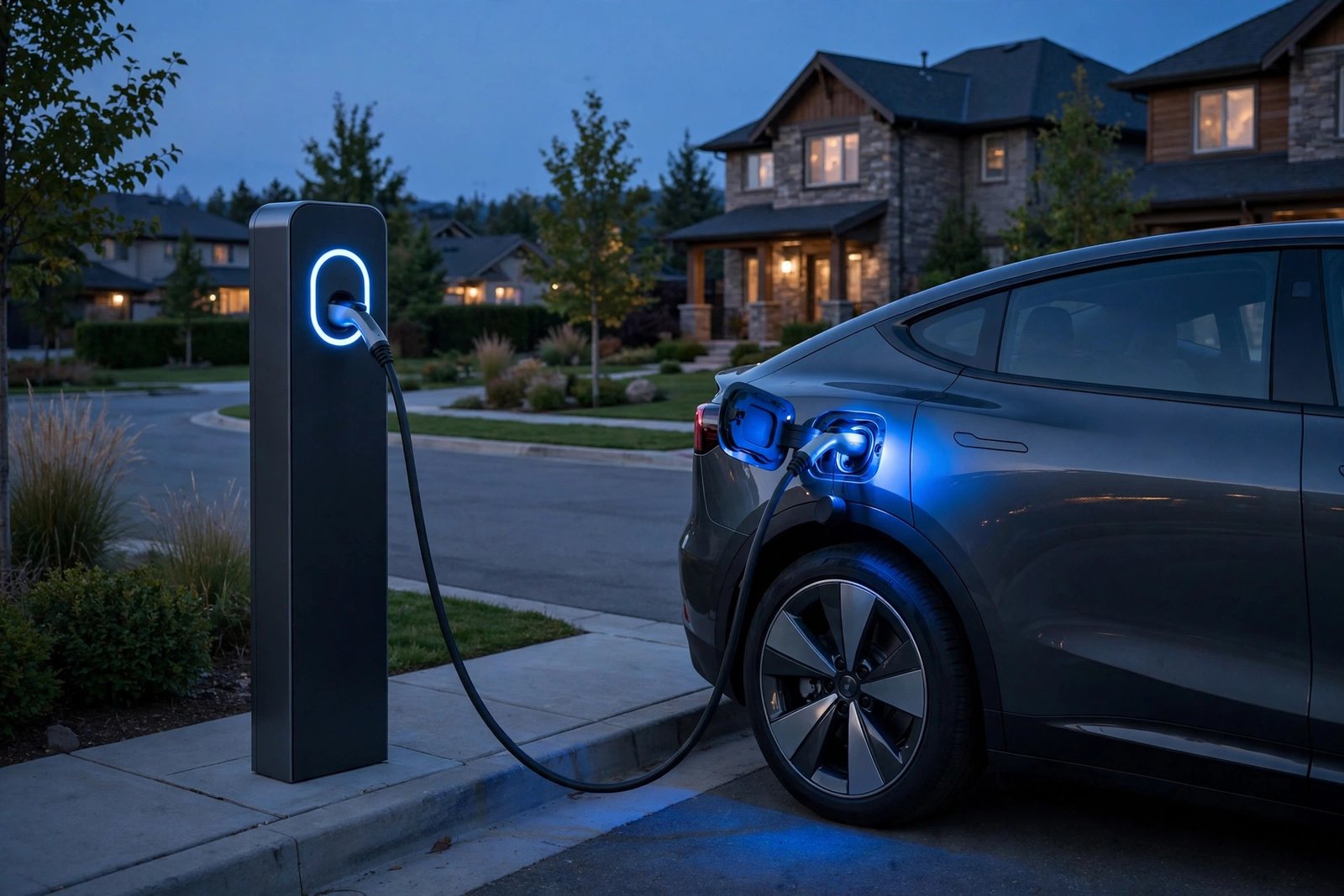
EV, Hybrid, and Plug-In Hybrid Surcharges
Ohio charges annual surcharges on alternative-fuel vehicles to make up for gas tax revenue they don’t pay. These are unchanged for 2026 and stack on top of the registration fee:
- Electric vehicles (EV): $200/year
- Plug-in hybrids (PHEV): $150/year
- Conventional hybrids (HEV): $100/year
So renewing a Tesla in 2026 costs $16 (registration) + $200 (EV surcharge) + local permissive taxes + deputy registrar fee — easily $230+ before any county add-ons. A standard hybrid like a Prius runs $16 + $100 + the rest.
What You’ll Actually Pay: The Full Stack
Your renewal total = state registration fee ($16) + fuel surcharge (if applicable) + local permissive taxes (vary by county/taxing district — often $5–$30+) + deputy registrar fee ($8 in person). Most Ohio drivers pay somewhere in the $30–$60 range per vehicle per year; EV owners pay $220+.
How to Renew Your Ohio Registration
- Online: bmvonline.dps.ohio.gov — renewals, duplicate registration, and plate sticker replacement. You’ll need your license plate number and the last 4 of your SSN (or your driver’s license number).
- In person: Any deputy registrar / BMV license agency. Bring your renewal notice (or plate number + ID) and payment. Expect the $8 service fee.
- By mail: Follow the instructions on your renewal notice; allow several weeks.
- Multi-year: Ohio allows multi-year registration for some vehicles — the prorated deputy registrar/BMV service fees apply per year.
Renewal notices typically arrive 30–45 days before expiration. Ohio registrations expire on your birthday (for passenger vehicles registered to individuals).
Deadlines, Grace Periods, and Penalties
- There is no general grace period — driving with expired registration risks a ticket and fines.
- If your plates expire, renew ASAP; late renewal doesn’t add a state late fee, but you’re uninsured-against-tickets every day you drive.
- E-Check: If you live in Cuyahoga, Geauga, Lake, Lorain, Medina, Portage, or Summit county, you need a passing emissions test before renewal (every 2 years for most vehicles).
New to Ohio? What to Do When You Move Here
If you’ve just moved to Ohio, you have 30 days to transfer your out-of-state title and registration and get Ohio plates. Bring your out-of-state title, driver’s license (you’ll need an Ohio license first — visit a deputy registrar after passing through the BMV), and proof of insurance. You’ll pay the $18 title fee plus registration at your new county’s rate. Ohio doesn’t charge a separate “new resident” tax on vehicles you already own — but you will owe the difference if you bought the car recently in a lower-tax state and Ohio’s use tax applies. If your move included buying a home, qualifying owners can also cut their property tax bill with the Ohio Homestead Exemption 2026.
Specialty Plates and Commercial Vehicles
Ohio’s specialty and personalized plates carry extra annual fees on top of registration — typically $10–$35 per year depending on the plate, with some contributing to charitable causes. Commercial vehicles face the $35 base registration (up from $30) plus weight-based fees that can run into the hundreds for heavy trucks. If you use your vehicle for a business, check whether commercial registration actually applies — many pickup owners are surprised to learn their truck qualifies as noncommercial.
Frequently Asked Questions
How much is Ohio vehicle registration renewal in 2026?
The state base fee is $16/year for passenger vehicles ($35 commercial), plus local permissive taxes and an $8 deputy registrar fee. EVs add $200/year, plug-in hybrids $150, conventional hybrids $100.
Can I renew my Ohio registration online?
Yes — at bmvonline.dps.ohio.gov for standard renewals. You’ll need your plate number and ID details.
Why is there a $200 EV fee in Ohio?
It’s a substitute for the gas tax EVs don’t pay, funding road maintenance. Ohio’s EV surcharge is among the highest in the nation.
Do I need E-Check before renewing?
Only in the seven northeast Ohio counties under the emissions program (Cuyahoga, Geauga, Lake, Lorain, Medina, Portage, Summit). Most of Ohio has no emissions testing.
What if I lost my renewal notice?
You don’t need it. Renew online with your plate number or visit a deputy registrar with your driver’s license.
This guide to Ohio BMV registration renewal fees 2026 is for informational purposes only and is not legal or professional advice. Fees are set by state law and can change; confirm current amounts at bmvonline.dps.ohio.gov or your county deputy registrar.
Sources: Ohio LSC bill analysis of HB 96 (Dept. of Public Safety); Beacon Journal, “Ohio car registration fees will increase in January 2026” (Dec. 2025); Scioto Valley Guardian (Dec. 2025); insideevs.com state EV fee survey.
