Is Ohio a state? Yes — Ohio has been a U.S. state since February 19, 1803, when it became the 17th state admitted to the Union. If you’re asking because the question popped up on a quiz, a form, or a late-night internet rabbit hole, the answer is a firm yes: Ohio is one of the original Midwestern states, not a territory, district, or region of another state.
Ohio Statehood: The Quick Facts
Ohio’s path to statehood is a little unusual, which is probably why the question comes up at all. Congress passed the Enabling Act in 1802, Ohio adopted its constitution, and President Thomas Jefferson signed the act admitting Ohio — but a formal resolution confirming the exact date wasn’t passed until 1953. Retroactively, February 19, 1803 is recognized as the official date Ohio joined the Union.
- Admitted: February 19, 1803 (17th state)
- Capital: Columbus
- Largest city: Columbus (also the capital)
- Nickname: The Buckeye State
- Population: roughly 11.8 million — 7th most populous state
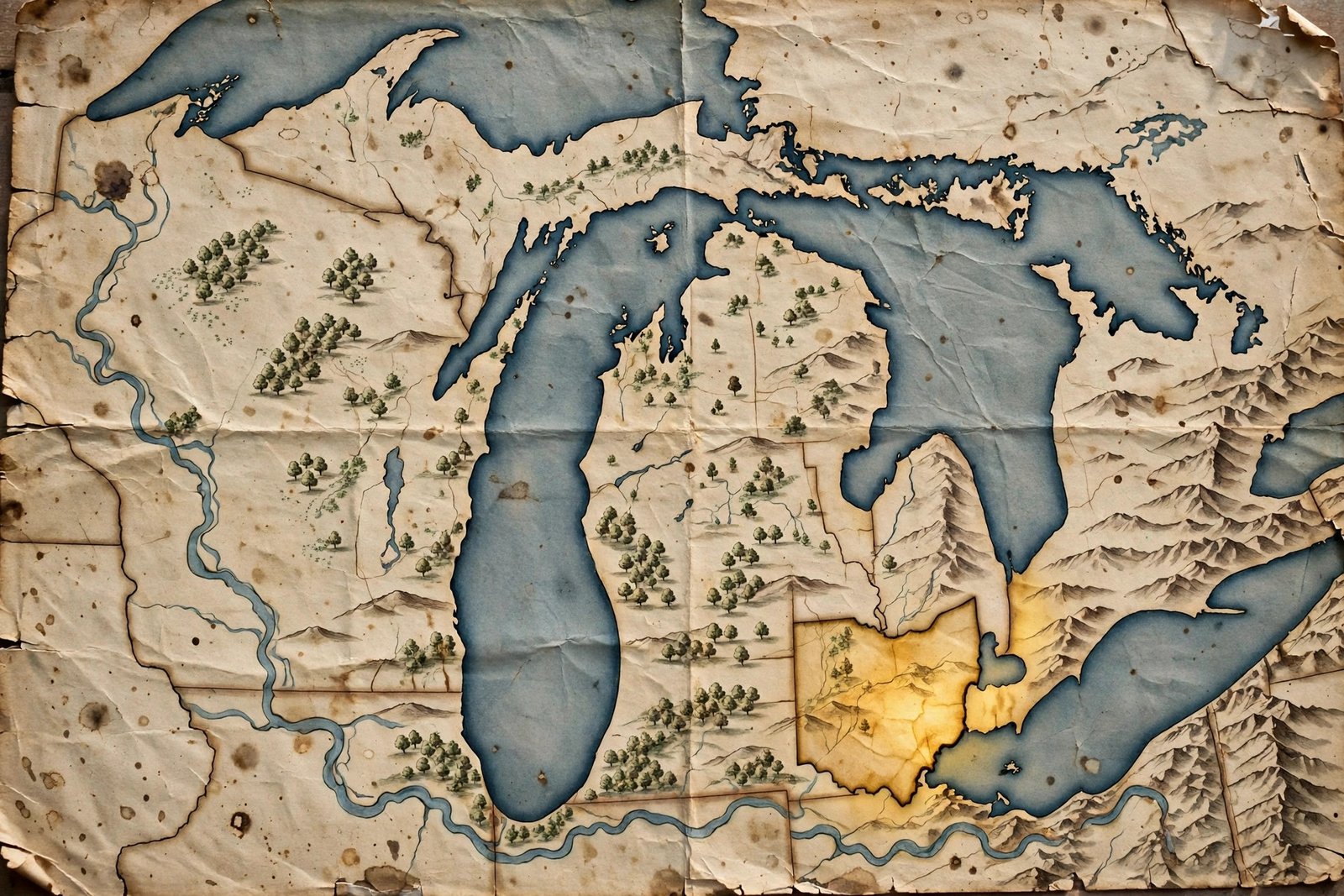
- Borders: Pennsylvania, West Virginia, Kentucky, Indiana, Michigan, and Lake Erie
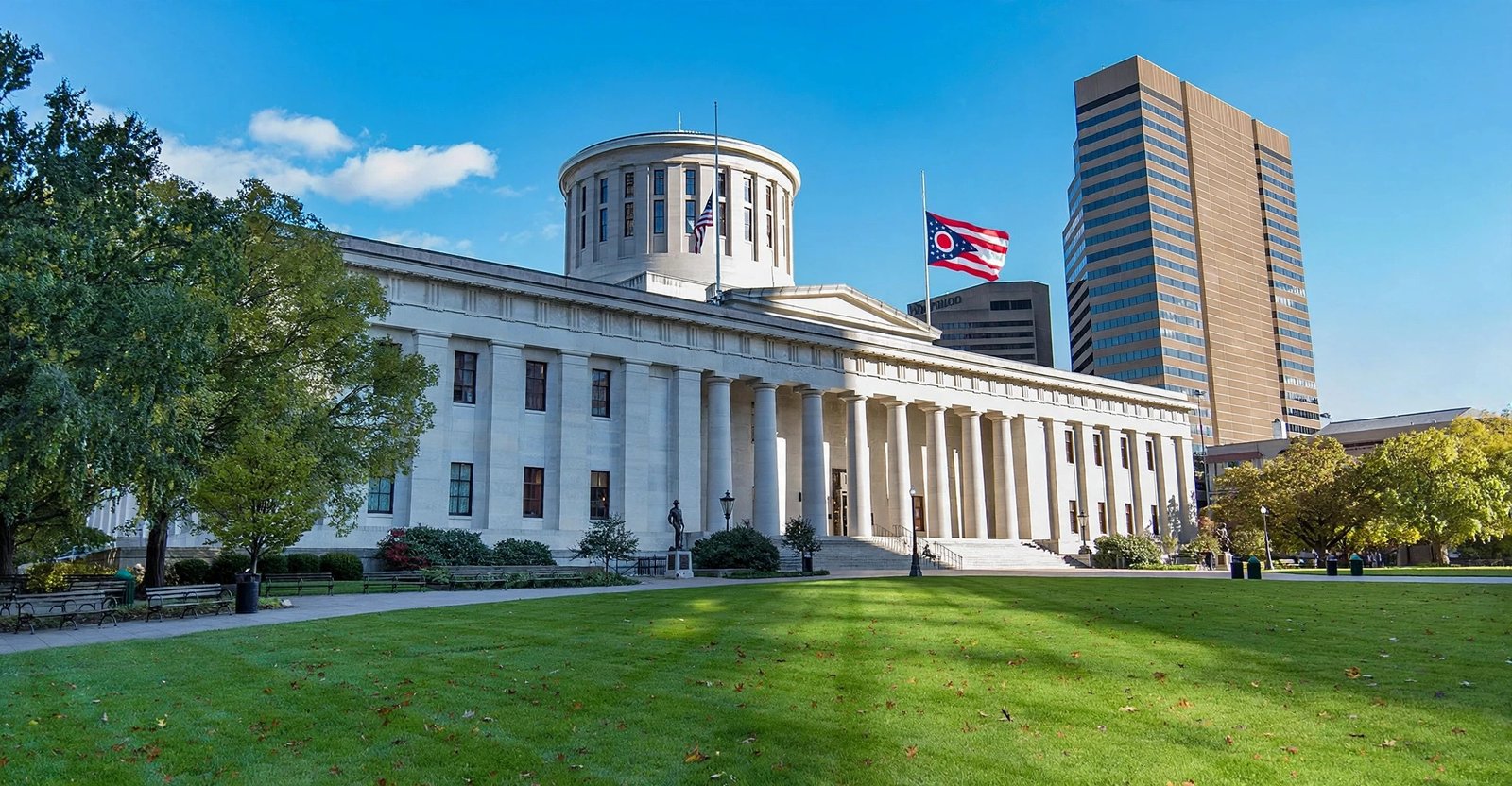
Why Do People Ask: Is Ohio a State?
Honestly, it’s usually one of three things. First, trivia and quiz questions love the Northwest Territory angle — Ohio was the first state carved out of the Northwest Territory, so students sometimes wonder whether it counts as one of the “original” states (it doesn’t; it’s the 17th). Second, the statehood paperwork quirk above makes for good cocktail-party trivia: for 150 years, nobody had formally pinned down the admission date. Third, internet culture has done Ohio no favors — the “only in Ohio” memes make the state sound like a fictional place. It isn’t. It’s very real, very large, and very much a state. So the next time someone asks, “Is Ohio a state?” you’ll have the definitive answer: yes.
Ohio Before Statehood: The Northwest Territory
Before 1803, the land was part of the Northwest Territory, created by the Northwest Ordinance of 1787. Ohio was the first state formed from that territory, and its admission set the template for how new states would join the Union for the next century. The territory’s capital was Chillicothe, which briefly became Ohio’s first state capital before the seat of government moved to Zanesville and finally Columbus in 1816.
Ohio by the Numbers
Beyond the trivia, Ohio’s scale is what makes the question faintly absurd. The state covers nearly 45,000 square miles — bigger than many countries — with 88 counties, three cities over 800,000 people, and 312 miles of Lake Erie shoreline. Its economy would rank among the top 25 in the world if it were a country, built on manufacturing, agriculture (Ohio is a top corn and soybean producer), and a growing tech and logistics corridor along I-70 and I-71. For the latest population and economic figures, see the Ohio QuickFacts at the U.S. Census Bureau.
Ohio also claims a special place in aviation history: both Wright brothers were from Dayton, and the state’s license plates still read “Birthplace of Aviation” — a title North Carolina hotly disputes (Kitty Hawk vs. Dayton is a whole thing). John Glenn, the first American to orbit Earth, was an Ohioan too.
Eight Presidents and Counting
One reason Ohio’s statehood matters: the state has punched far above its weight in American history. Eight U.S. presidents were born in Ohio — William Henry Harrison, Ulysses S. Grant, Rutherford B. Hayes, James Garfield, Benjamin Harrison, William McKinley, William Howard Taft, and Warren G. Harding — earning it the nickname “Mother of Presidents.” The state has also been a bellwether in presidential elections for over a century, which is why “as Ohio goes, so goes the nation” became a political cliché. Learn more about what Ohio is known for, from its eight presidents to its pioneering role in flight.
The Bottom Line
So, is Ohio a state? Absolutely — the 17th, admitted in 1803, home to nearly 12 million people, three major metro areas (Columbus, Cleveland, Cincinnati), and a share of American history most states would envy. If anyone tells you otherwise, they’re either joking or very confused.
