Are there mountain lions in Ohio? It’s one of the most persistent wildlife questions in the state — and the answer is more interesting than a simple yes or no. Here’s what biologists actually say about cougars in the Buckeye State.
Are There Mountain Lions in Ohio? The Short Answer
Ohio has no established, breeding population of mountain lions. The Ohio Division of Wildlife has found no evidence of a resident cougar population, and that finding has held for decades. Mountain lions were wiped out of Ohio in the 1800s as forests were cleared and settlements expanded.
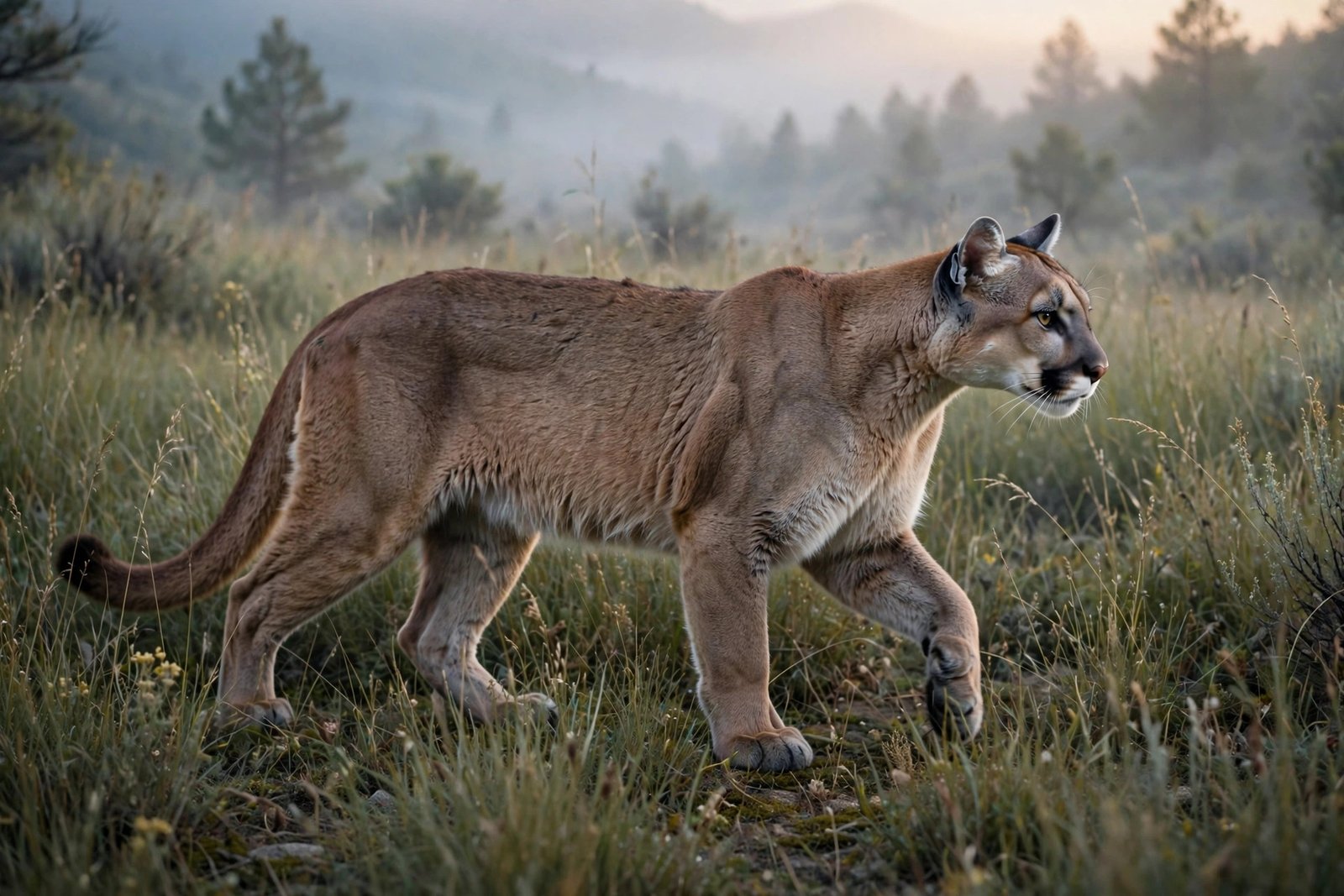
But the longer answer has a wrinkle: occasional transient mountain lions do pass through Ohio. Young male cougars are known to disperse enormous distances — hundreds of miles — from established populations in the western states. Every few years, one of these wanderers is confirmed in the Midwest. These are passing visitors, not residents, and they’re extraordinarily rare.
Why So Many Sightings Get Reported
Ohio gets mountain lion sighting reports every year. The vast majority turn out to be something else:
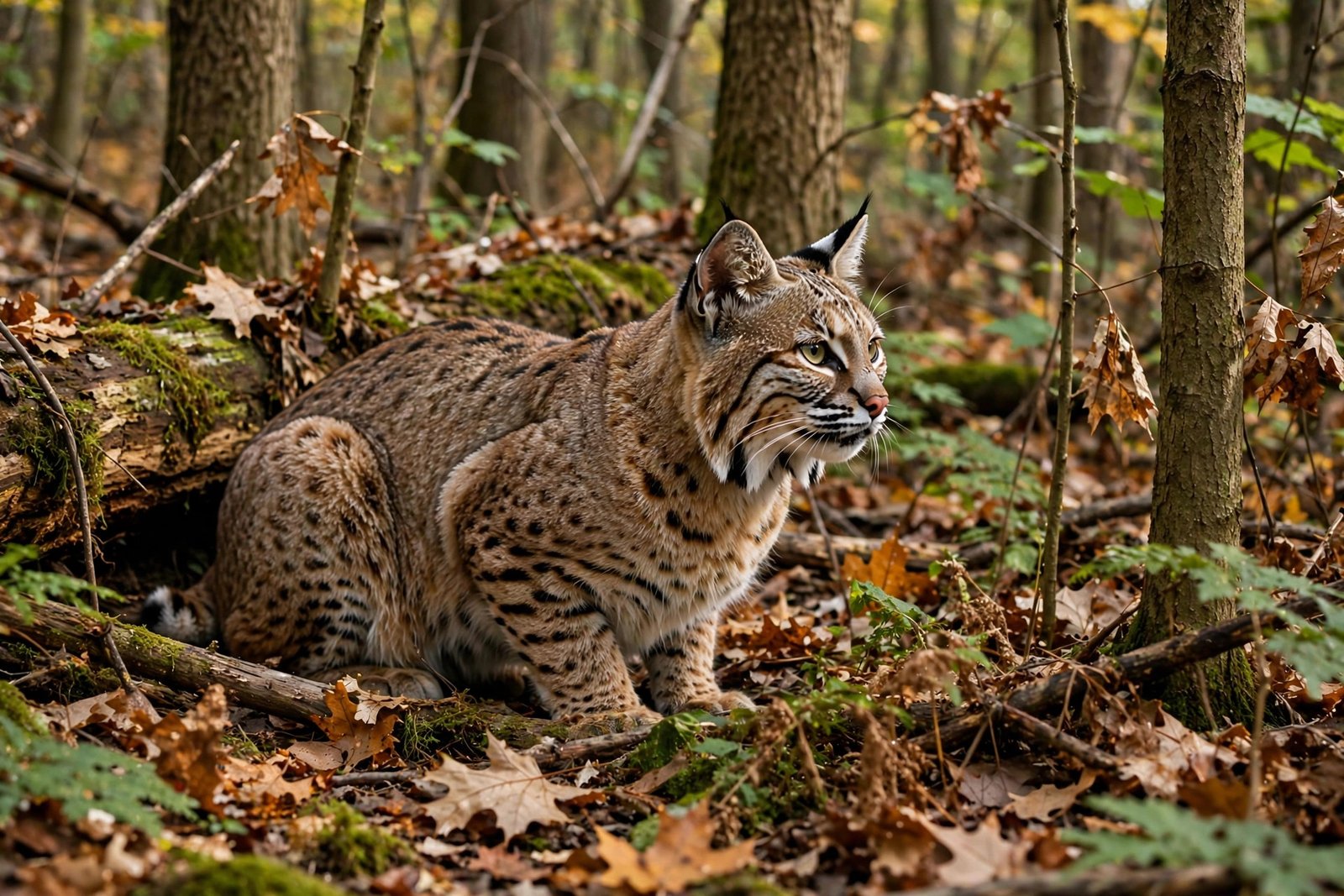
- Bobcats — Ohio’s actual wild cat, and the source of most confusion. Bobcats have rebounded across the state and are now found in nearly every county. They’re much smaller than cougars (15–35 pounds vs. 80–150), with a stubby tail, but in a fleeting glimpse the mistake is easy.
- Large domestic dogs — especially tawny-colored breeds seen at dusk.
- House cats at a distance — with no reference for scale, a housecat can look big.
The telltale difference is the tail: a mountain lion’s tail is long and rope-like, nearly three feet, often with a dark tip. A bobcat’s tail is short and stubby — hence the name. If what you saw had a long tail and weighed as much as an adult human, report it. If it had a bobbed tail, you saw a bobcat. That tail check settles most ‘are there mountain lions in Ohio’ reports on the spot.
Mountain Lion, Cougar, Puma — Same Animal
Worth clearing up: “mountain lion,” “cougar,” and “puma” are all names for the same species, Puma concolor. Ohio’s historical records call them panthers or painters. If you ever see an old-timer’s account of a “painter” in the Ohio hills, they’re describing this same cat. Whatever name you use, the answer to ‘are there mountain lions in Ohio’ stays the same.
Could Mountain Lions Return to Ohio?
Biologists don’t rule it out long-term. As forests have regrown across eastern Ohio and deer — the cougar’s favorite prey — have reached record numbers, the habitat is arguably better than it’s been in a century. The barrier is distance: the nearest breeding populations are in the western Great Plains and Florida (the Florida panther subspecies), and dispersing males would have to cross a lot of farmland and highway to get here. So far, none have stayed, so for now the answer to ‘are there mountain lions in Ohio’ remains no.
What to Do If You Think You Saw One
- Report it to the Ohio Division of Wildlife with the location, date, and any photos.
- Photographs matter — a trail camera photo is how the rare confirmed Midwestern cougars have been documented.
- Don’t approach. In the unlikely event of an encounter, make yourself look large, make noise, and back away slowly. Never run.
So: are there mountain lions in Ohio? No resident population — but the state does have bobcats thriving in nearly every county, and every so often, a genuine western wanderer pads through. Keep your trail cameras running; you never know.
Mountain Lions vs. Bobcats: Quick ID
If you spot a wild cat in Ohio, run through this checklist. Size: a bobcat is roughly twice the size of a housecat (15–35 pounds); a mountain lion is the size of an adult human (80–150+ pounds). Tail: bobcat tails are stubby, just a few inches; a cougar’s tail is long and thick, up to three feet. Ears: bobcats often show small tufts; cougars have rounded ears. Color: both are tawny brown, so color alone won’t settle it. Nine times out of ten in Ohio, the checklist points to bobcat — and that’s a great sighting in its own right.
