What is the state animal of Ohio? The answer is the white-tailed deer — adopted as Ohio’s official state animal in 1988. But the Buckeye State has a whole menagerie of official symbols, from its famous bird to its native fruit. Here’s the complete rundown.
What Is the State Animal of Ohio?
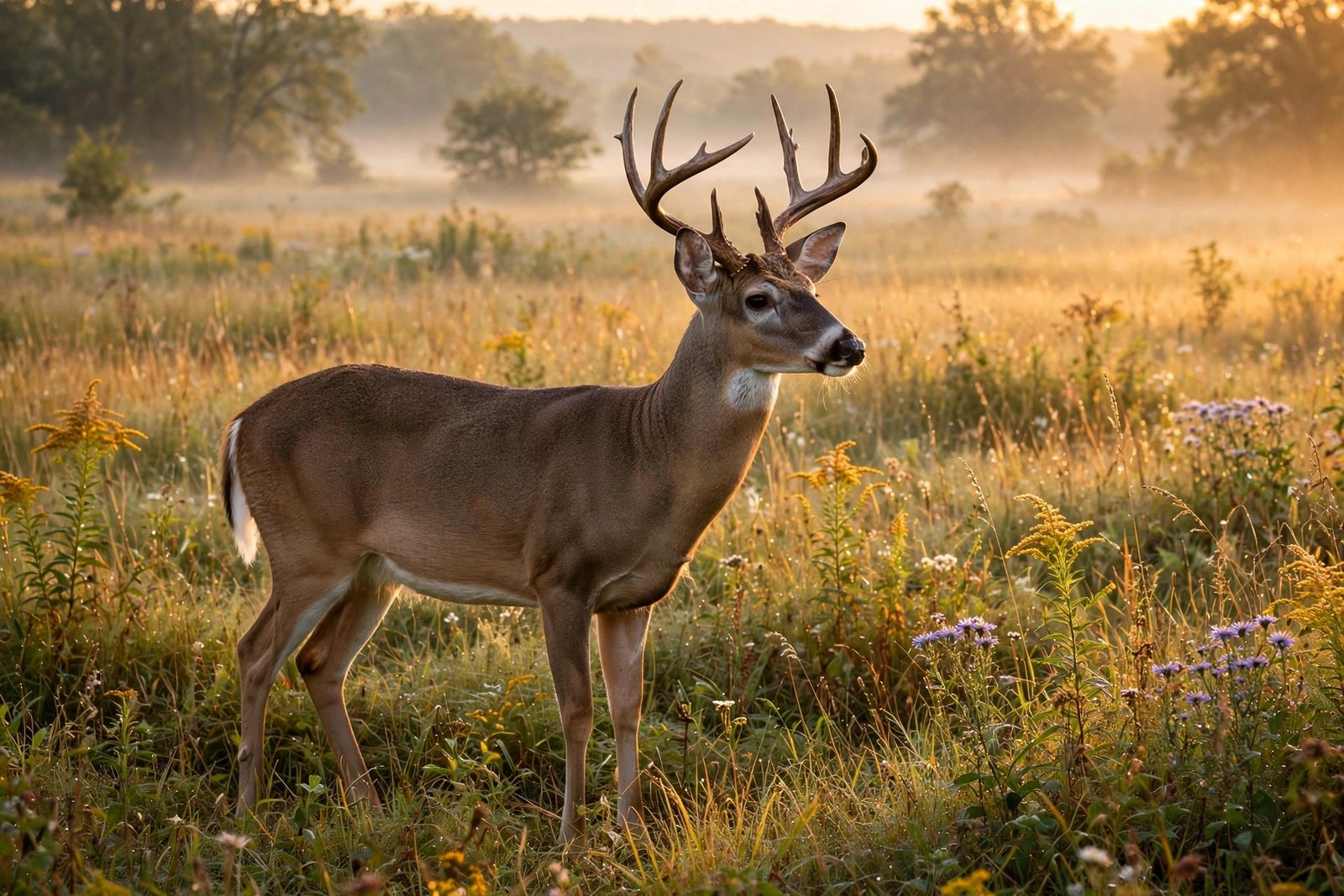
The white-tailed deer (Odocoileus virginianus) became Ohio’s state animal in 1988 — the answer to ‘what is the state animal of Ohio’ and a fitting pick: deer are native to every corner of the state, the herd is among the healthiest in the nation, and whitetail hunting is a deep part of Ohio’s outdoor culture — the state regularly produces record-book bucks.
It was nearly a different story. By the early 1900s, unregulated hunting had nearly wiped deer out of Ohio — fewer than a few thousand remained. Decades of regulated seasons, habitat work funded by hunting license dollars, and reintroduction efforts brought the herd back to today’s population of roughly 700,000. The answer to ‘what is the state animal of Ohio’ is, in a real sense, a conservation comeback story.
Ohio’s Other Official Animals
Ohio has named official animals across several categories:
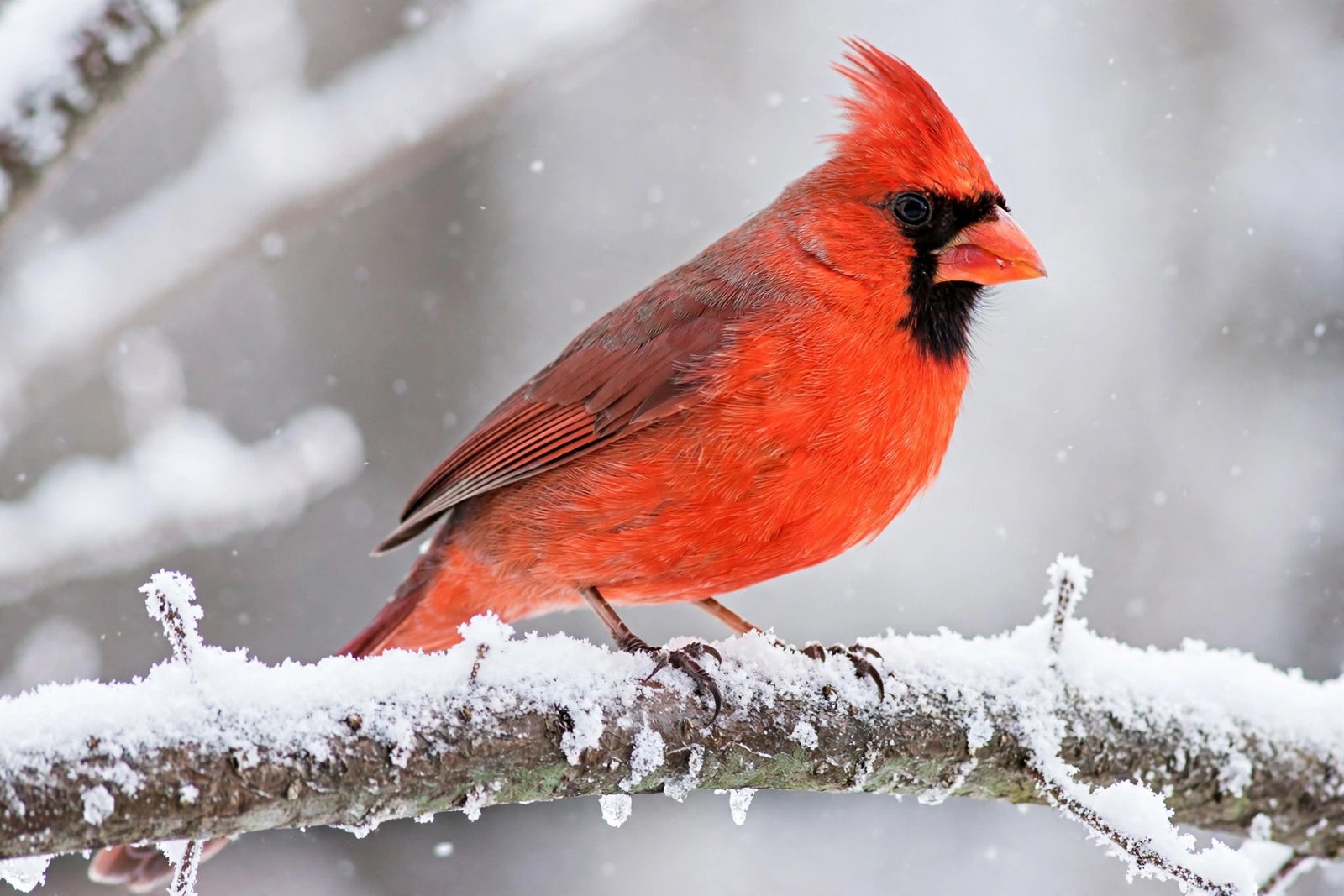
- State bird: Northern cardinal — adopted 1933. The bright red male is a year-round Ohio resident and one of the most recognized birds in North America.
- State reptile: Black racer — adopted 1995. A fast, nonvenomous snake common across the state.
- State amphibian: Spotted salamander — adopted 2010. Chosen partly through a campaign by Ohio schoolchildren.
- State native fish: Smallmouth bass — adopted 1975. A nod to Ohio’s outstanding freshwater fishing, especially in Lake Erie and the state’s rivers.
- State insect: Ladybug — adopted 1975, also thanks to a push from Ohio students.
Plants, Rocks, and Foods Ohio Made Official
Ohio’s symbol list goes well beyond animals:
- State tree: Ohio buckeye — adopted 1953. The tree that gave the state its nickname and Ohio State its mascot.
- State flower: Red carnation — adopted 1904, chosen to honor President William McKinley, an Ohioan who wore one for luck. The large-flowered trillium joined as the official state wildflower in 1986.
- State native fruit: Pawpaw — adopted 2009. North America’s largest native fruit grows wild across southern Ohio.
- State gemstone: Ohio flint — adopted 1965. Flint Ridge in Licking County was one of North America’s most important prehistoric flint quarries.
- State beverage: Tomato juice — adopted 1965. Ohio is one of the nation’s top tomato-producing states.
- State fossil: Trilobite (Isotelus) — adopted 1985. Ohio’s Ordovician rocks are famous for them.
How Symbols Get Chosen
Ohio’s state symbols are adopted by the state legislature — and schoolchildren have driven several of them. The ladybug, the spotted salamander, and the pawpaw all reached official status after students campaigned for them. So if you’re an Ohio student with a favorite state symbol candidate, there’s precedent for getting it done.
So: for anyone asking ‘what is the state animal of Ohio,’ the answer is the white-tailed deer. The bird is the northern cardinal, the tree is the Ohio buckeye, and the flower is the red carnation. Not a bad lineup for the Buckeye State.
Ohio Symbols You Might Not Know
A few more official designations round out the list. Ohio’s state rock song is “Hang On Sloopy” (adopted 1985) — the Ohio State marching band staple. The state motto, “With God, all things are possible,” has been official since 1959. The state flag is the only non-rectangular state flag in the country — a swallowtail burgee designed in 1902. And the state artifact is the Adena pipe, a 2,000-year-old effigy pipe found in Chillicothe. Ohio doesn’t do boring symbols.
Visiting tip: many of these symbols are easy to spot in the wild. Cardinals visit backyard feeders year-round, white-tailed deer are visible at dawn and dusk along country roads, and Ohio buckeye trees line trails across the state’s parks. The symbols aren’t just on paper — they’re outside your window.
