The Ohio abbreviation you’ll see on every envelope, license plate, and shipping label is OH. That’s the official two-letter postal abbreviation assigned by the United States Postal Service — a system introduced in 1963 to speed up mail sorting — and it’s the standard everywhere today. If you’re addressing mail to Columbus, Cleveland, or Cincinnati, you write “OH” after the city name. It’s short, it’s unambiguous, and it’s the only abbreviation you need to remember.
OH: The Official Postal Abbreviation
Before 1963, state abbreviations on mail were a free-for-all of traditional forms, which slowed down the new automated sorting machines. The USPS introduced the current two-letter system as part of the ZIP code rollout, and Ohio received “OH” — the first two letters of its name, since no other state claimed them. “OH” has been the official abbreviation ever since, appearing in the USPS Publication 28 standard that governs addressing.
This is the abbreviation to use in every practical context:
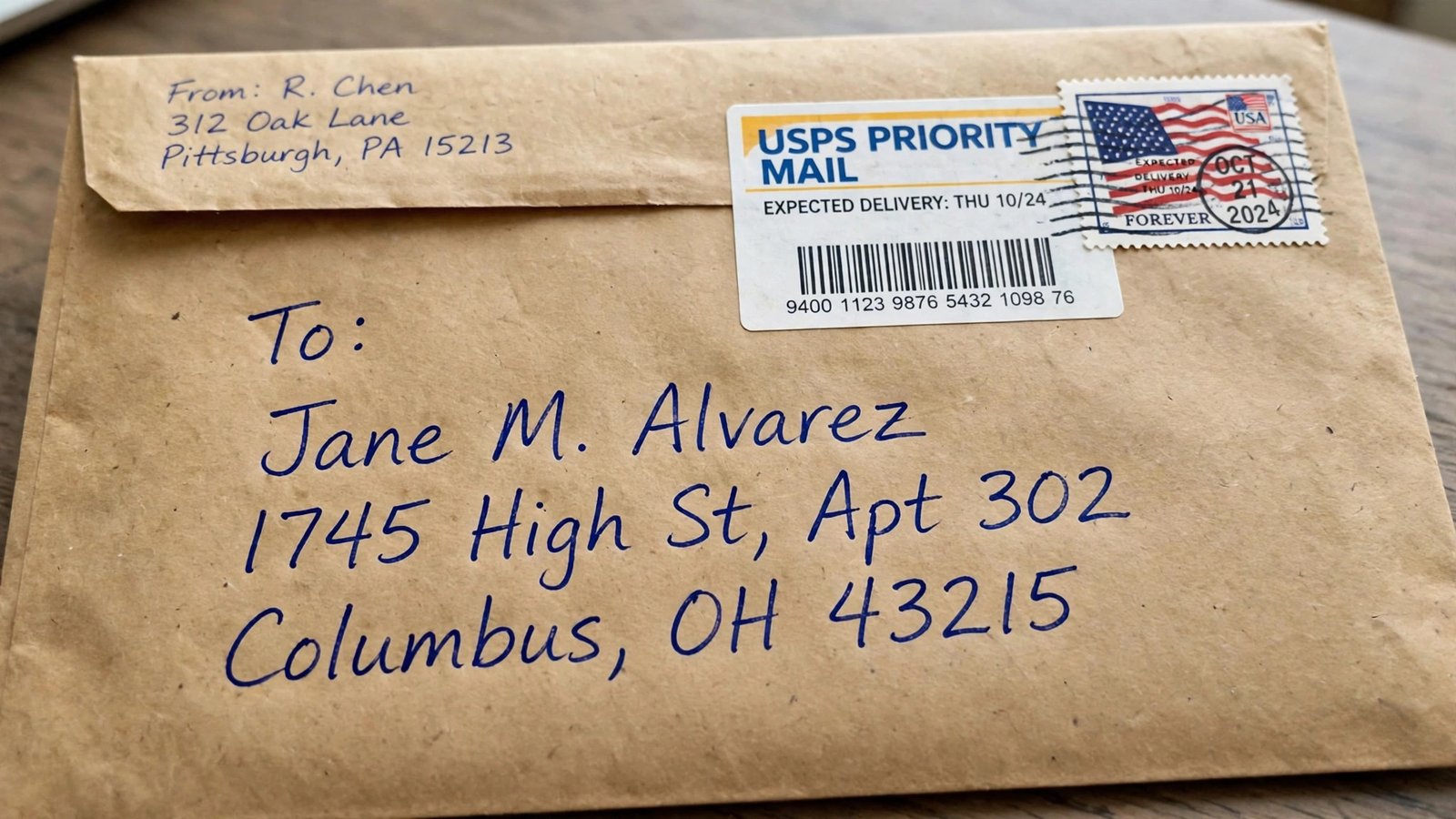
- Mailing addresses: “Columbus, OH 43215” — city, comma, OH, ZIP code.
- Shipping and e-commerce forms: the two-letter code in the state dropdown.
- License plates: Ohio plates display the full state name, but registration forms use OH.
- Data entry and databases: OH is the standard code in every address-validation system.
Oh.: The Traditional Abbreviation
You may occasionally encounter “Oh.” — with a period — as an older-style abbreviation for Ohio. This is the traditional form that predates the 1963 postal codes and still appears in some contexts: older books and documents, certain academic and legal style guides, and newspaper datelines that use traditional abbreviations.
For everyday use, “Oh.” is effectively obsolete. Modern style guides, including the Associated Press, use the two-letter postal abbreviations without periods — so it’s “OH,” not “Oh.,” in any contemporary writing. But if you’re transcribing a historical document, reading a pre-1960s newspaper, or dealing with a style guide that specifies traditional abbreviations, “Oh.” is the form you’ll meet. Knowing both helps you read the old stuff and write the new stuff correctly.
Ohio’s Other Official Codes
The Ohio abbreviation OH is part of a family of standardized codes that identify the state in different systems:
- USPS postal abbreviation: OH — used for mail.
- ISO 3166-2 code: US-OH — the international standard code for Ohio, used in global databases, shipping systems, and software that needs to distinguish it from similarly named places worldwide.
- AP style: Ohio — interestingly, the Associated Press Stylebook spells out Ohio (along with a handful of other states) rather than abbreviating it in datelines and text. So a news story dateline reads “COLUMBUS, Ohio,” not “COLUMBUS, OH.”
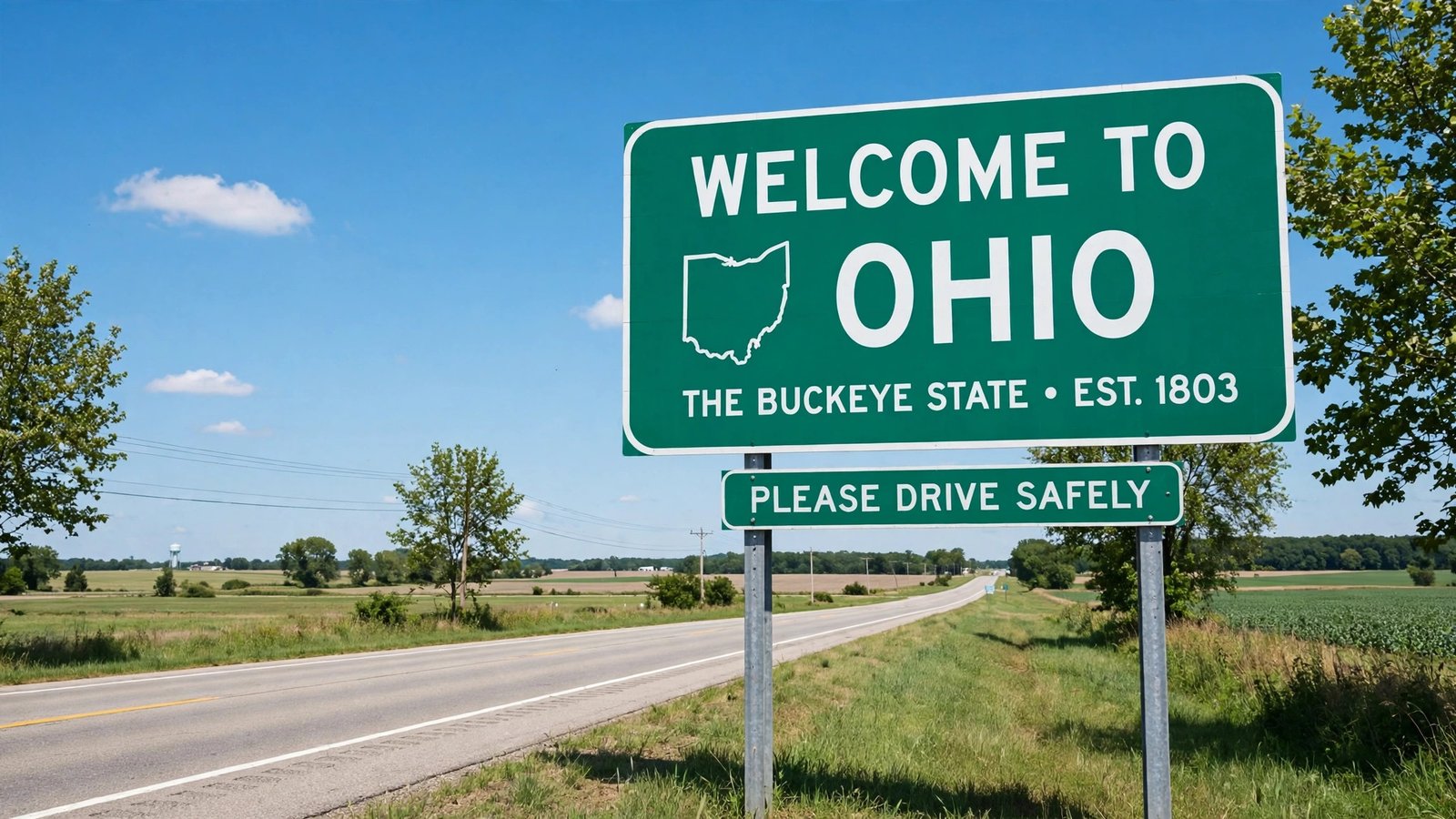
- Nickname: “The Buckeye State” — Ohio’s official nickname, referencing the buckeye tree native to the state.
These codes rarely come up in daily life, but they’re useful to know if you ever fill out an international form, work with a global database, or wonder why news headlines spell the state out while your packages say OH.
When to Use OH vs. Spelling It Out
The rule is simpler than most people think:
- Use OH in addresses, forms, shipping labels, tables, maps, and anywhere space is tight or a code is expected. This covers nearly all practical situations.
- Spell out “Ohio” in running prose — essays, articles, business names, and formal writing. “I’m driving to Ohio this weekend” reads naturally; “I’m driving to OH this weekend” doesn’t.
- Never write “O.” or “Ohi.” — neither is a recognized abbreviation in any system, past or present.
- Skip the period after OH. Modern postal abbreviations take no period. “OH” is correct; “O.H.” is not.
One common mix-up: Ohio is occasionally confused with other states’ codes in sloppy data entry, but OH is distinctive and rarely collides with anything. If a form rejects your state, it’s almost certainly a different problem — double-check the ZIP code instead.
A Quick History of the Ohio Abbreviation
The story of the Ohio abbreviation mirrors the story of American mail. Through the early 20th century, “Ohio” was usually written out in full or shortened to “O.” or “Oh.” depending on the writer’s habit. The Post Office Department’s 1963 overhaul — the same reform that brought us ZIP codes — standardized everything to two capital letters with no periods. Ohio became OH on October 1, 1963, alongside the rest of the states, and the change stuck so thoroughly that most Americans today have never seen “Oh.” on an envelope.
The nickname “The Buckeye State” is older still, dating to the 19th century and cemented by Ohio State University’s adoption of the buckeye as its mascot. It has no official coded form — it’s pure identity, appearing on the state quarter, welcome signs, and the lips of every Ohioan who’s ever had to explain the word “buckeye” to an out-of-stater.
Once you’ve got the abbreviation down, read up on what Ohio is known for — from aviation firsts to presidential history, the Buckeye State has earned its two letters.
